Rethinking School Innovation through the Built Environment
In Tacoma, the future of education isn’t just being taught — it’s being built.
Tacoma Public Schools has long been known for doing things a little differently. From curriculum to construction, the district is reimagining what public education can look like when partnerships, purpose and place come together.
“Our goal is to build up innovative learning experiences in the best way possible — by embedding real-world, hands-on learning into the student experience,” said Adam Kulaas, chief of schools at Tacoma Public Schools.
That disruption isn’t chaos — it’s design. And it’s reshaping the very buildings where students learn.
“This is a commitment to ushering in the future of learning,” Kulaas said.
DISRUPTION BY DESIGN: MARITIME 253
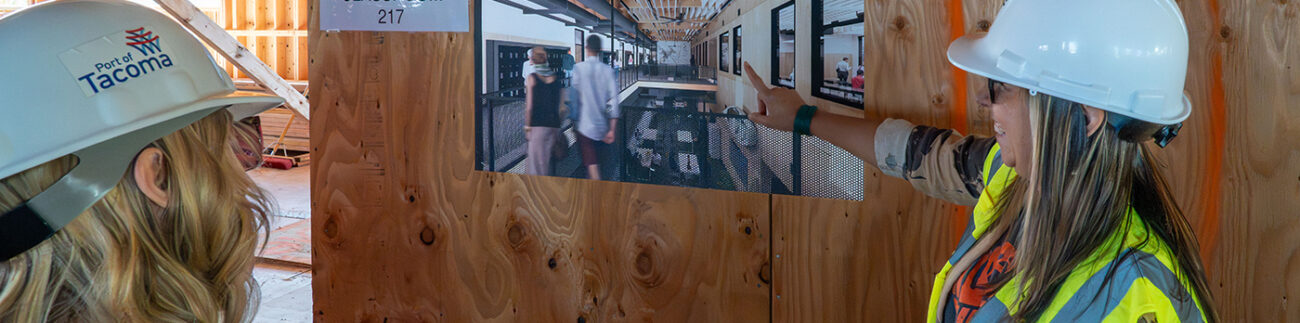
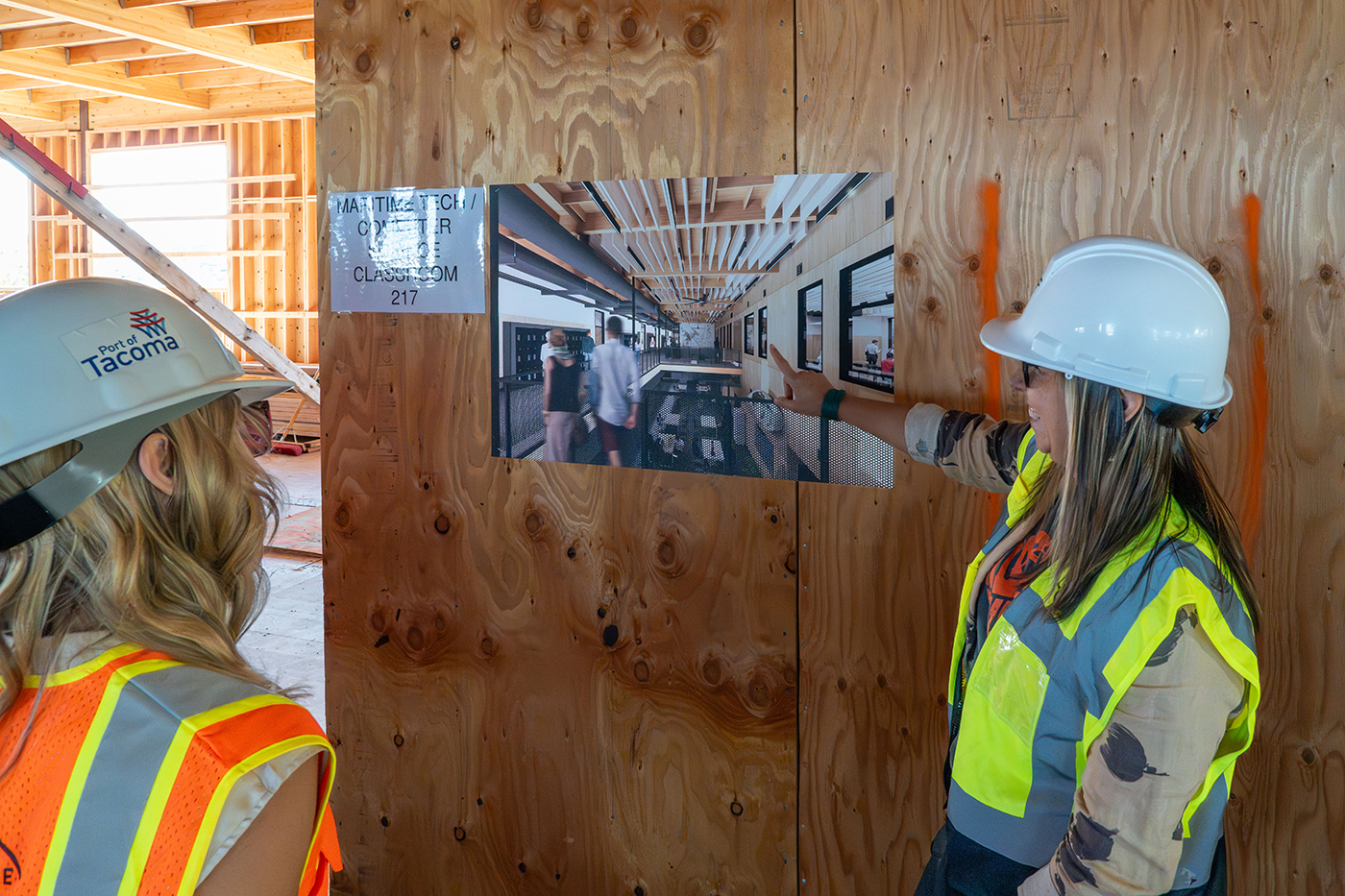
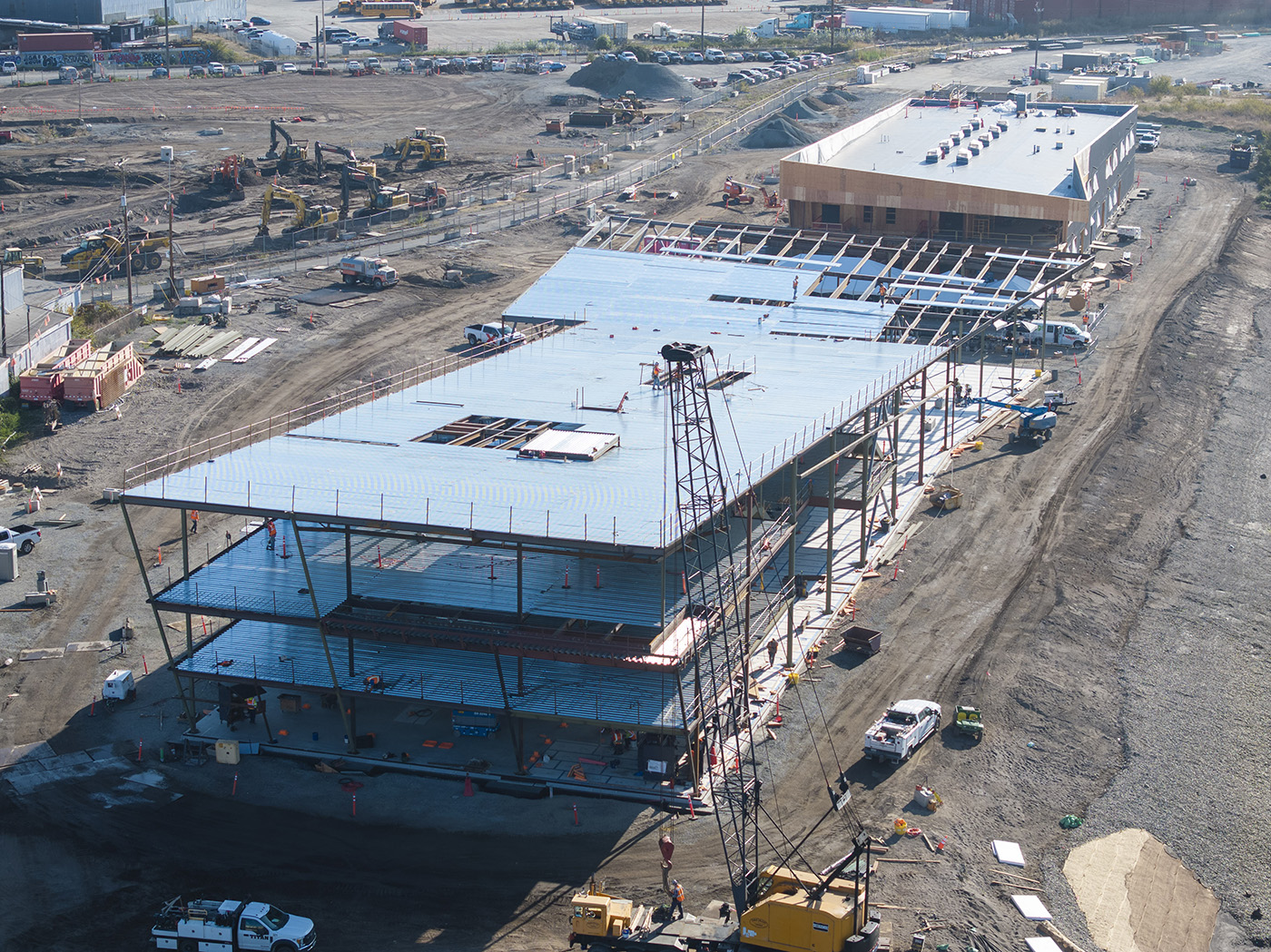
The new Maritime Center campus is a collaborative project between Tacoma Public Schools and the Port of Tacoma. Maritime 253 will be adjacent to the port’s new business center. That proximity isn’t just convenient — it’s strategic.
“By working directly with industry, we’re ensuring that students gain real-world skills in real-world settings, ” TPS Superintendent Josh Garcia said. “This collaboration allows us to build a pipeline from classroom to career, and that’s transformative for our students and our region.”
One of the most striking examples of the district’s partnership innovation is the Maritime 253 Skills Center, currently rising on the Foss Waterway across from downtown Tacoma. Built with bold vision, this regional facility will open in the fall of 2026 to provide hands-on training to students in maritime trades, logistics, and environmental science — industries that are deeply rooted in Tacoma’s history and vital to its economic future.
TPS’ partners agree. Port of Tacoma Commission President John McCarthy is excited about how this partnership is connecting young people with opportunities for family wage jobs, and helping employers meet a critical need.
“Together, we’re building a stronger future,” McCarthy said.
Morris Aldridge, executive director of Planning and Construction for TPS, said the agreement was a win-win for all parties. “When you look at how much more you’re able to achieve when working with a partner — the ideas, the location, the shared knowledge — it makes it all worthwhile. We are a public agency, and part of what we need to do is make sure we’re doing the right thing by our taxpayers.”
A LEGACY OF BOLD PARTNERSHIPS
Tacoma’s approach isn’t new — it’s evolving. In 2017, TPS opened the Environmental Learning Center at Point Defiance Zoo & Aquarium. Built with voter-approved bond funds, the facility serves both the district’s Science & Math Institute and the zoo’s educational programs. Students study biology and environmental science in a living lab, mentored by zookeepers and marine biologists.
Now, TPS is preparing to build a regional center for technology and innovation at LeMay — America’s Car Museum. This new hub will host robotics competitions, e-sports tournaments, drone racing, and more — blending Tacoma’s automotive heritage with cutting-edge STEM education.
“These partnerships are about more than buildings,” said Kulaas. “They’re about creating value through a design mindset of possibility — for students, for families, and for the community.”
WHY THESE PARTNERSHIPS MATTER
Together, these projects represent a new chapter in how a school district can think about education, infrastructure and community development. TPS is leading with a clear priority: What’s best for kids.
And TPS’ model offers a compelling blueprint. These kinds of partner projects:
• Maximize public investment by serving multiple missions
• Create shared spaces that benefit students and the broader community.
• Align education with workforce development, preparing students for real careers in real industries.
“We believe education must be deeply connected to the realities of our region,” said Garcia. “These partnerships are about creating launchpads for student innovation.”
WHAT BUILDERS AND DESIGNERS NEED TO KNOW
Partner projects are exciting — but they’re also complex. When you’re designing or building for more than one public agency, you’re not just managing a site. You’re managing multiple missions, audiences, funding streams — and often, very different ways of thinking.
Aldridge emphasized the importance of being very clear on each partner’s individual needs, from vision and programming to the details surrounding procurement requirements.
“It’s critical to be clear on each party’s individual needs,” he said. “Even different school districts can be different from each other. Make sure those things are ironed out from the start and be intentional about meeting all those needs, especially from an auditing standpoint. One organization might be able to do something the other cannot.”
Some suggestions:
• Understand the “why” behind each partner. One may prioritize student outcomes, the other economic development. Keep both visions in view and help shape spaces that serve both.
• Be a translator. You’ll hear different languages: education speak, municipal speak, legal speak. Help bridge the gap. Clarify terms, align expectations, and make sure everyone’s talking about the same thing — even if they’re using different words.
• Design for dual purpose. Spaces often need to flex — serving students by day, the public by night. Think creatively and collaboratively.
• Anticipate different timelines and funding realities. Bond dollars, enterprise funds, grants — they all come with different rules. Align schedules and flag potential conflicts early.
• Stay neutral, stay nimble: You’re not just building — you’re facilitating. When tensions arise, offer solutions and keep the project moving.
Bottom line? Partner projects aren’t just about construction — they’re about collaboration. And when builders and designers embrace that role, they become essential to making bold ideas real.
A ROADMAP FOR PUBLIC PARTNERSHIPS
When partnerships work well, they look effortless. But behind the scenes, they require vision, trust and a lot of
paperwork.
Here’s a quick roadmap for making it work with public partners:
• Letter of Intent (optional): Puts the ideas on paper. Can help kickstart a path to action.
• Memorandum of Understanding: Your written handshake. It sets the shared mission and roles. Early clarity builds trust.
• Interlocal Agreements (between public partners): Who pays for what? How are services shared? Spell it out early.
• Ground Lease: After construction, the partnership lives on. Who mows the lawn? Who parks where? A ground lease keeps long-term operations smooth.
• Joint Use Agreement: Shared spaces mean shared risks. This agreement handles the “what-ifs.”
• Amendments: Change happens. Build flexibility into your agreements so you can adapt without starting over.
• Document everything: Future leaders will inherit these partnerships. Clear documentation ensures they understand the original intent — and carry it forward.
Smart partnerships take work — but they build more than buildings. They build futures.
Alicia Lawver is the director of strategic planning for Tacoma Public Schools, and helps manage the relationships and piles of paperwork behind the district’s capital partnerships.